Teaser
The world as we know it is gone, replaced by the tyrannical new system of government. A government willing to implant explosive gene codes in its people. But don’t worry, it’s all for the greater good . . .
Review
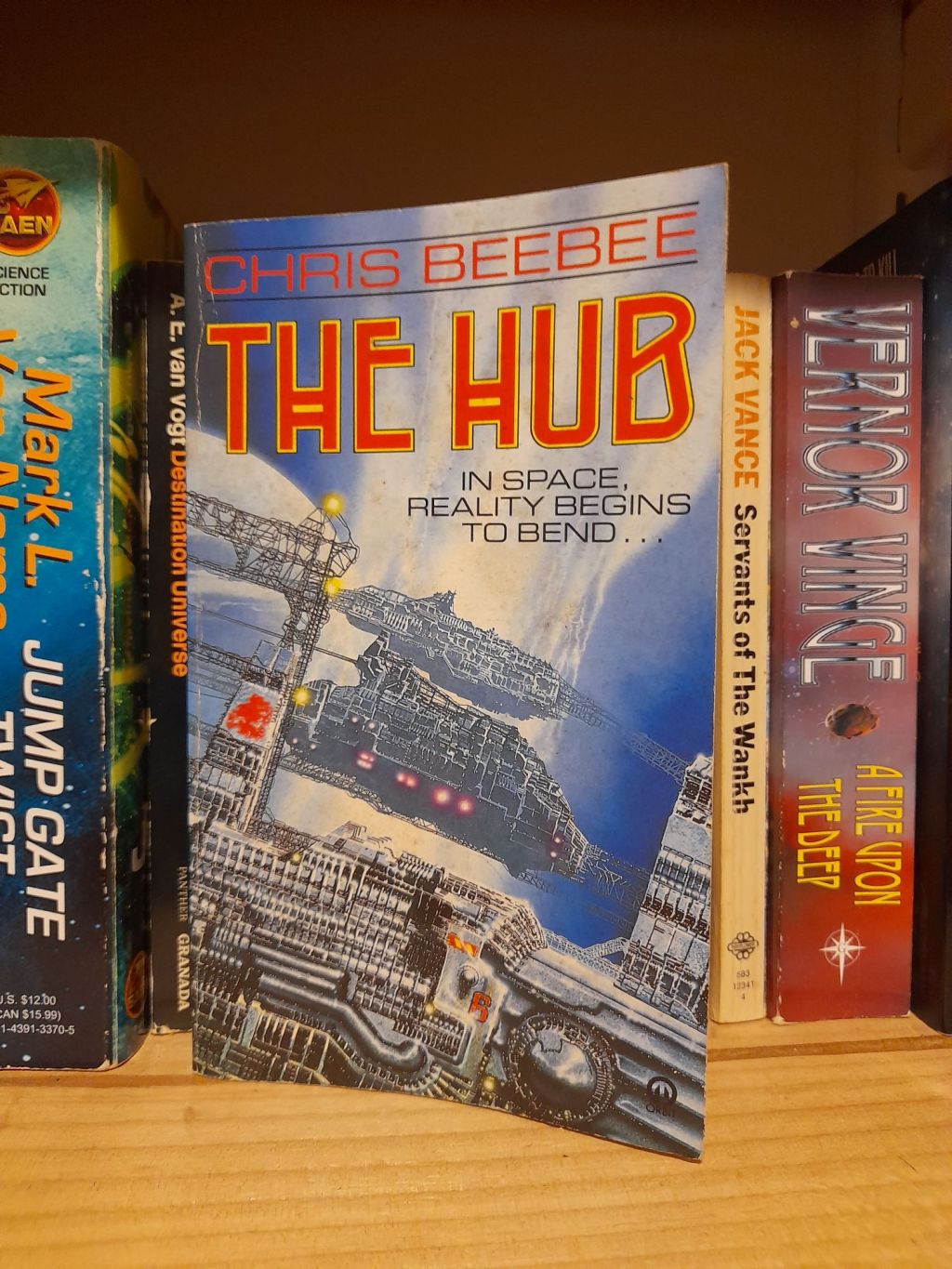
Alrighty then. Let’s get this one out of the way. this isn’t the worst book I’ve read this year, but it is perhaps the one about which I have the least to say. The sort of book that whistles through and leaves no impression. Nevertheless, I’ve read it, and so I’ll review it.
If there’s one thing I’ve learned form my Best of British month, it’s that Britain loves dystopias. Yes, we really are as miserable and self-flagellating as everyone thinks. Maybe it’s something in the air here, or maybe it’s because we always hate our government but are too civilised to do anything about it. I honestly don’t know, but British fiction tends to run to some dark and depressing places. The Hub is one one such place. I was unable to find out anything about Chris Beebee beyond the fact that they were British, and that The Hub and its sequel are their only work. That suits me just fine. It lets me focus on the book in my hand.
One guess I will hazard, however, is that Beebee was heavily influenced by John Brunner, most notably his famed Stand on Zanzibar. Now, it might just be because I read the two books back to back, but the similarities are remarkable. Not only in content, with overpopulation, genetic manipulation, and a downright dreariness to be found in both books, but also in delivery. Chunks of this book feel feel very New Wave in their delivery, and the multiple appendices are all presented as in-universe reference texts. That latter part would normally thrill me, a lover of metatexts, but they unfortunately as dull as the rest of the book.
I say dull, but this is not a terrible book. It’s a whole lot more coherent than Brunner’s sprawling narrative, for a start. The actual plot is far more central. Nevertheless, coming straight of the back of that heavily influential work, The Hub can’t help but feel like a coda to it. Perhaps I am being unfair to Beebee, in comparing his work to another, better-known text. Perhaps not. After all, books do not exist in isolation, and here are two books clearly on the same side of the conversation. British dystopian authors can’t help but be compared to their forebears. In this case, the comparison does nobody any favours.
As you can tell from how much I’ve talked about another book, I have no real lasting impression of The Hub. If you like dystopias, however, maybe you’ll find something in it worthy of praise.
Book Stats
- The Cipola Sequence (#1)
- First Published 1987 by Orbit
- 237 Pages


